Independent math work often feels harder in January and February.
Not because students suddenly forgot expectations.
And not because teachers aren’t doing something right.
It usually gets harder because there are too many changes happening at once.
New activities.
New rotations.
New expectations layered on top of old ones.
When students aren’t sure what’s expected, independence fades quickly.
What helps most during this stretch of the year isn’t adding something new.
It’s committing to one predictable routine and sticking with it.
Table of Contents
Independent Math Work is More Than Keeping Students Busy
Independent math work isn’t about filling time.
It’s about helping students build responsibility, stamina, and confidence.
When students know what to do without waiting for an adult:
- transitions run more smoothly
- small groups actually work
- interruptions decrease
- behavior issues are easier to manage
Most problems during independent work in math don’t come from the task itself.
They come from uncertainty.
Students ask questions because they’re unsure what to do next.
They rely on adults because the routine isn’t clear enough yet.
That’s why consistency matters more than creativity.
Why Independent Work Breaks Down Mid-Year
By late January, many classrooms have plenty of activities but very little predictability.
The activity changes every day.
The expectations change depending on the task.
The routine shifts based on time, energy, or behavior.
That creates a lot of “What do I do now?” moments.
When students have to relearn expectations every day, they never build stamina.
Their energy goes into figuring out the routine instead of doing the work.
Independence doesn’t come from variety.
It comes from repetition.
Choose One Anchor Routine
The most effective way to rebuild independent math work is to choose one routine and make it your anchor.
An anchor routine is:
- predictable
- easy to repeat
- something students can manage without adult support
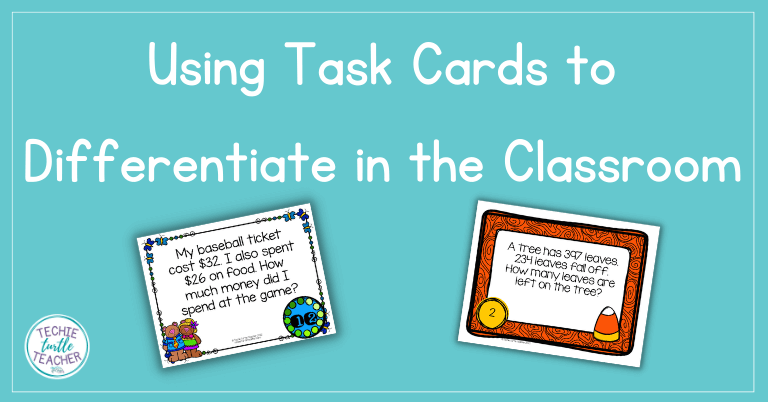
This could be choice boards, task cards, math journals, or another familiar structure.
What matters most isn’t the format.
It’s the consistency.
Instead of rotating expectations, rotate the content.
The routine stays the same.
The work inside it changes.
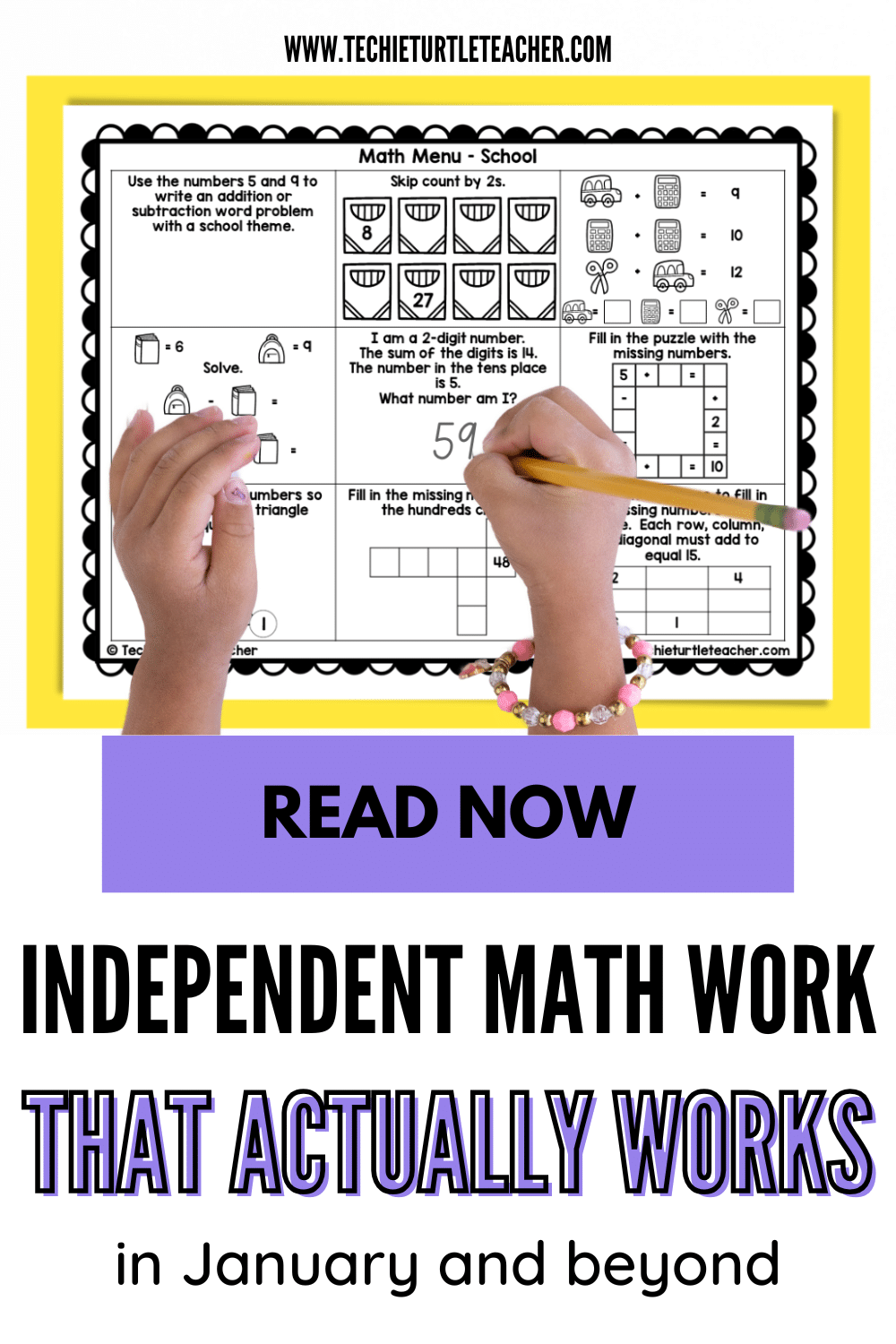
For many teachers, choice boards work well because students learn the system quickly and expectations stay consistent.
If you’re setting this up mid-year, this is where a monthly independent work routine can help.
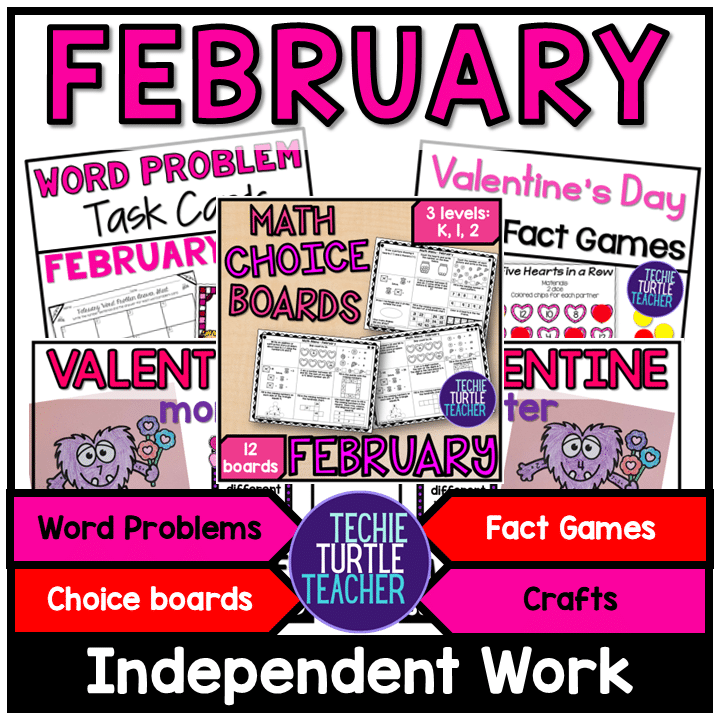
If you need some ideas for independent math work, check out these bundles that include games, word problem task cards, crafts, and choice boards:
These use the same structure so students don’t need new directions each week.
What Consistency Actually Looks Like in Practice
Consistency doesn’t mean doing the same worksheet every day.
It means using the same system long enough for students to internalize it.
A simple way this can look:
- Day 1: Introduce the routine and model expectations
- Days 2–4: Use the same routine again without re-teaching
- Day 5: Finish, turn in, and check for completion
The following week:
Same routine.
New content.
When students hear, “You already know how this works,” confidence builds.
They stop relying on adults because the system feels familiar.
Keep Expectations Steady, Even When Activities Change
One of the quickest ways to improve independent work is to stop changing expectations.
Even if the activity changes, keep the same:
- noise level
- work location
- what students do when they finish
Students don’t need new directions.
They need the same directions repeated.
If expectations have slipped, a reset helps:
- Write down what independent math work should look like
- Hold a short class meeting to share expectations
- Create a visual reminder students can see
- Reinforce expectations daily for one full week
Independent work becomes easier to manage when the structure stays predictable.
What to Add Once the Routine is Working
Once your independent math work anchor routine is working, early finishers and engagement are usually the next challenge.
This is where simple extensions help.
Math fact games work well because:
- students can play independently or with a partner
- expectations don’t change
- the same games can be reused
- they don’t interrupt the routine
You’re extending the routine, not replacing it.
Resist the Urge to Rescue
During independent math work, it’s tempting to answer every question or solve every problem.
But that will set you back!
A small shift that builds independence faster is pointing students back to the routine.
“Check the board.”
“Look at the directions.”
“Show me what you’ve already tried.”
It feels slower at first.
But it builds stamina and problem-solving skills much faster than stepping in too quickly.
An Independent Math Work Routine Worth Committing to
January and February don’t need more ideas.
They need fewer decisions.
One consistent routine can change how your entire math block feels.
Less explaining.
Fewer interruptions.
More space to teach.
Using one routine well matters more than using many routines occasionally.
If you’re reading this during a different month, the routine still works.
Only the content changes.
Check out all available independent math work bundles.
Consistency is what creates independence.
Grab Your Free Independent Math Activities Ideas Guide
Want to Read More About Independent Math Work?
Pin this to Pinterest for later