Table of Contents
You’ve planned the perfect math block.
The centers are prepped, your small group table is ready, and you’re excited to work closely with the kids who need you most.
But instead of focused practice, you’re fielding a dozen interruptions:
“I’m done!”
“What do I do next?”
“I can’t find a pencil!”
I know that chaos – and I know how exhausting it is.
That’s why I started using a few simple independent math activities that gave my students structure, choice, and enough engagement to actually stay on task – without me hovering nearby.
Here are 3 that worked every time (and yes, they’re low-prep too).
1. Math Choice Boards (with built-in accountability)
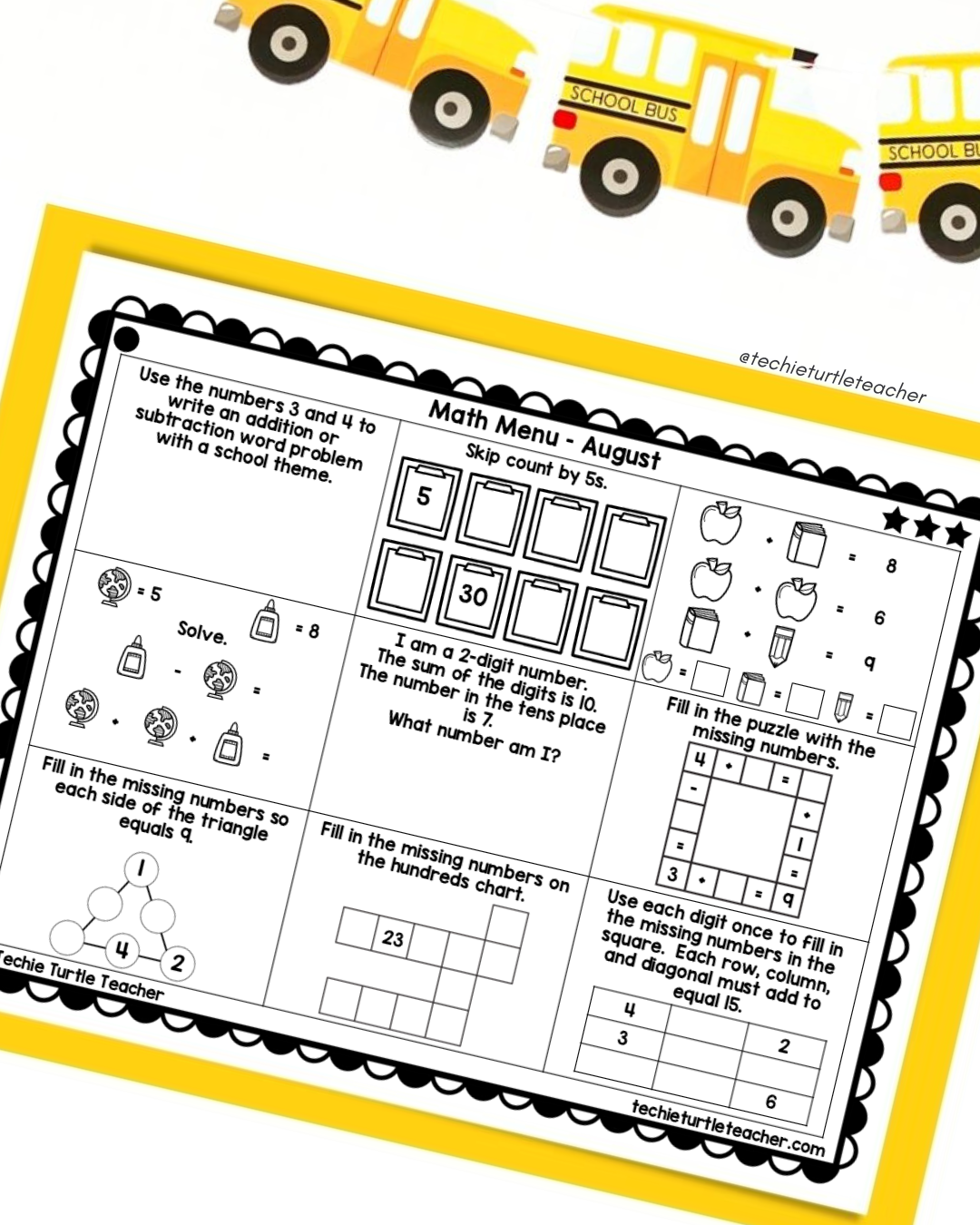
One of the best ways I found to keep my students engaged while working independently was with math choice boards.
These were simple, visual boards that allowed my students to pick their next math activity.
Here’s how I set them up:
- Variety: I included a mix of activities and practice problems (with varying levels) so each student had a bit of choice in their work. This helped students feel like they were in control of their learning.
- Accountability: Each choice had a specific task to complete (with a visual checklist or spot to mark off), which helped students stay on track and move through the activities without needing constant reminders from me.
The key to making this work was training students to use the choice boards effectively.
I modeled how to choose, complete, and track their activities during the first few weeks, and by the end of the month, my students were self-sufficient.
Pro Tip: Post a visual version of the choice board in the math center so students can easily reference it during independent time.
2. Partner Math Fact Games (student-led = fewer interruptions)
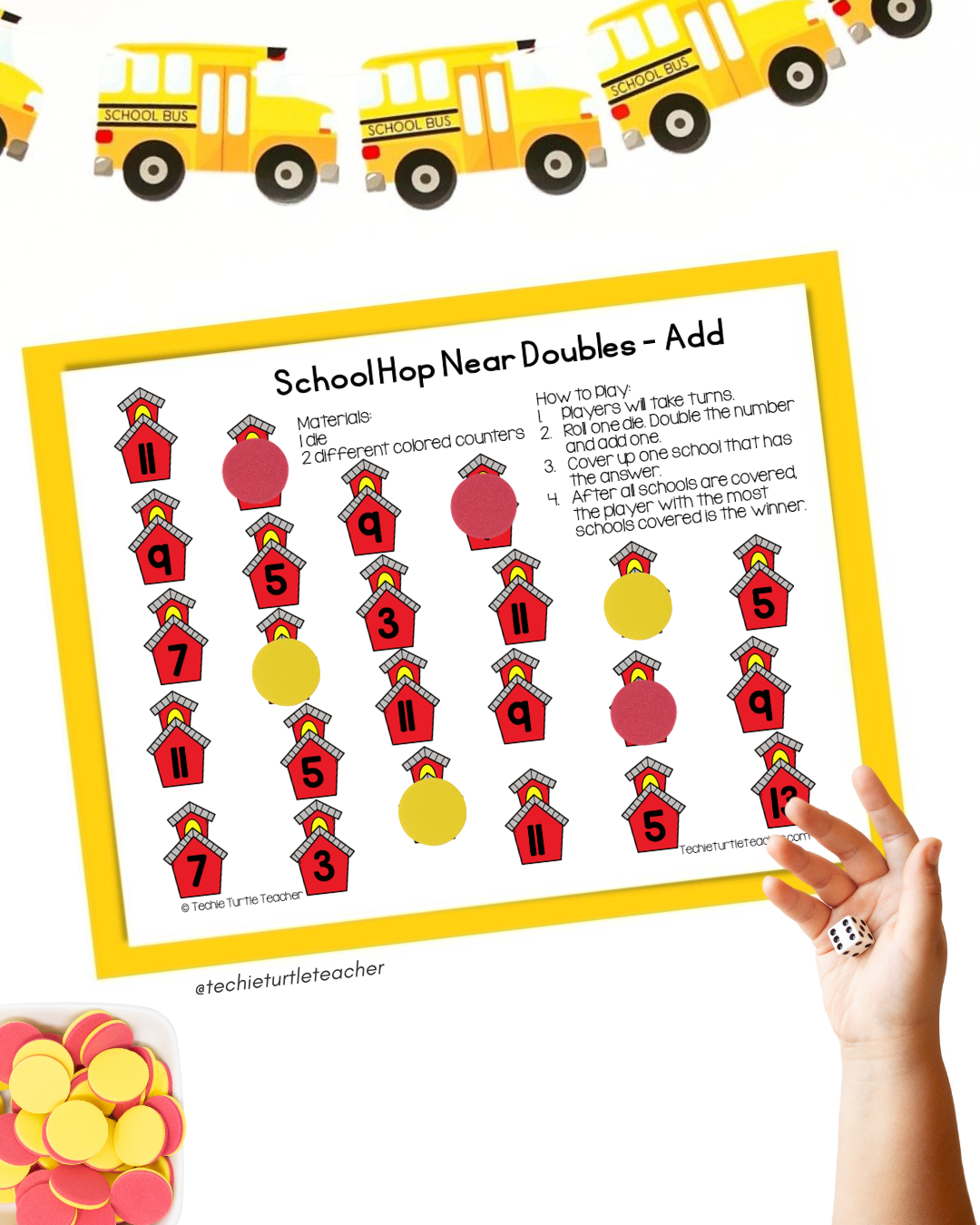
Another activity I relied on to keep my students on task was partner math fact games.
The beauty of these games is that they kept students engaged while I worked with other students.
Here’s how I made it work:
- Model Once, Let Them Lead: I would teach the game once – how to play, the materials, and the expectations – and then let my students run it themselves. They were responsible for taking turns, keeping score, and even helping their partners if they needed a refresher.
- High Engagement, Low Effort: These math games allowed my students to practice math facts while interacting with a partner, which kept them engaged. And because I wasn’t needed to lead the game, I could focus on the students who needed one-on-one attention.
Pro Tip: Assign student “coaches” to help others during math fact games. This way, students are less likely to interrupt you for help, and they get a chance to take ownership of the game.
3. Word Problem Task Cards (differentiated + self-paced)
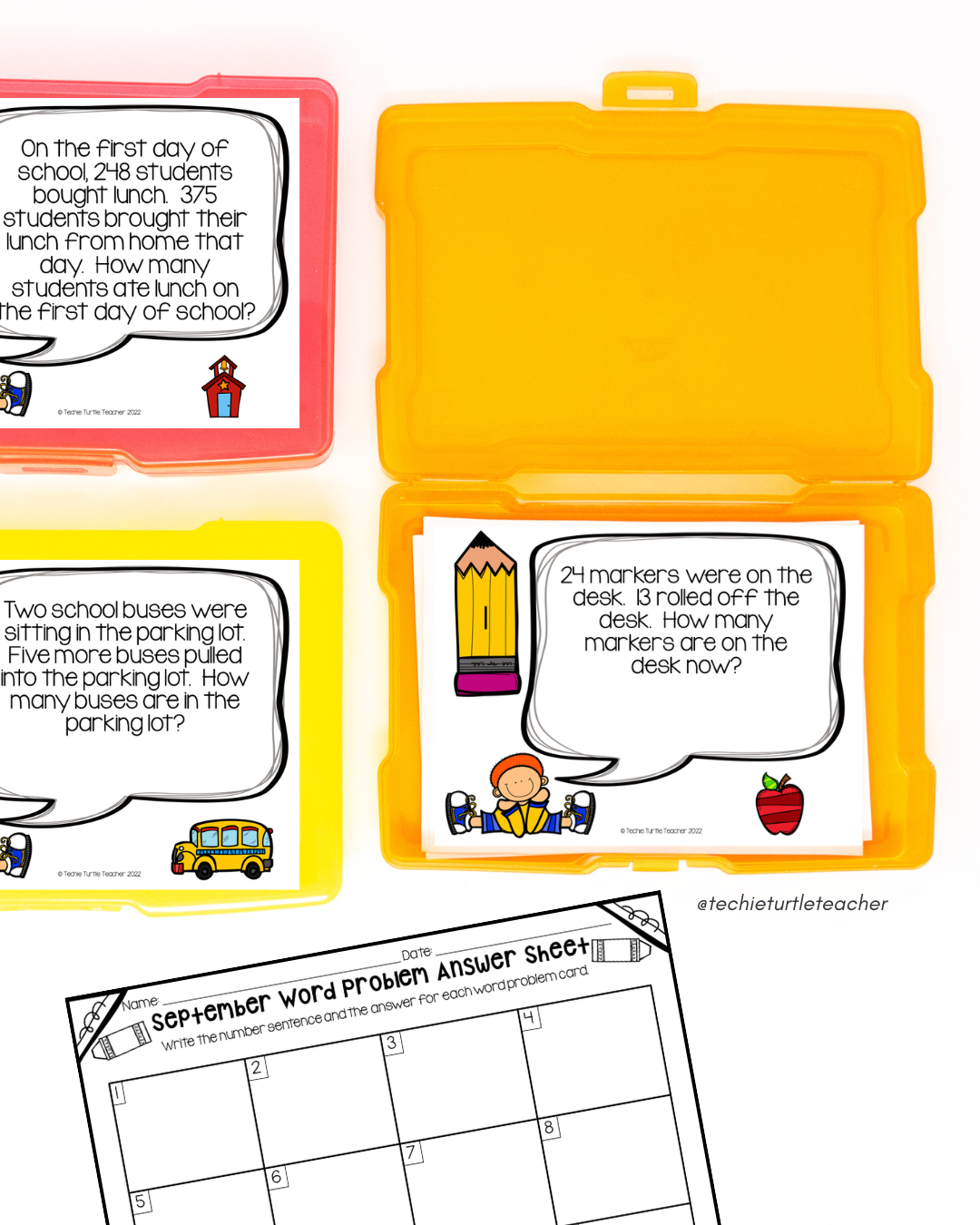
Word problem task cards made a big difference in my classroom.
They gave my students the independence to solve problems at their own pace and with the right level of challenge.
Here’s how I used them:
- Differentiation: I printed out task cards at varying difficulty levels, so students could choose the set of problems that matched their skill level. This gave my students the confidence to tackle problems they could solve independently while still being challenged.
- Self-Pacing: Students worked through the cards at their own speed, which allowed me to focus on the students who needed extra support. Plus, if they finished a set early, they could grab another set or pair up with a partner to solve problems together.
Pro Tip: Laminate the task cards and use dry-erase markers, so you can reuse them with minimal prep. It’s a time-saver!
Bonus Tip: What I Did When Students Got Wiggly
When attention started to wander – and it always did – I’d pause the activity for a quick, but effective, brain break.
But I didn’t just let them move.
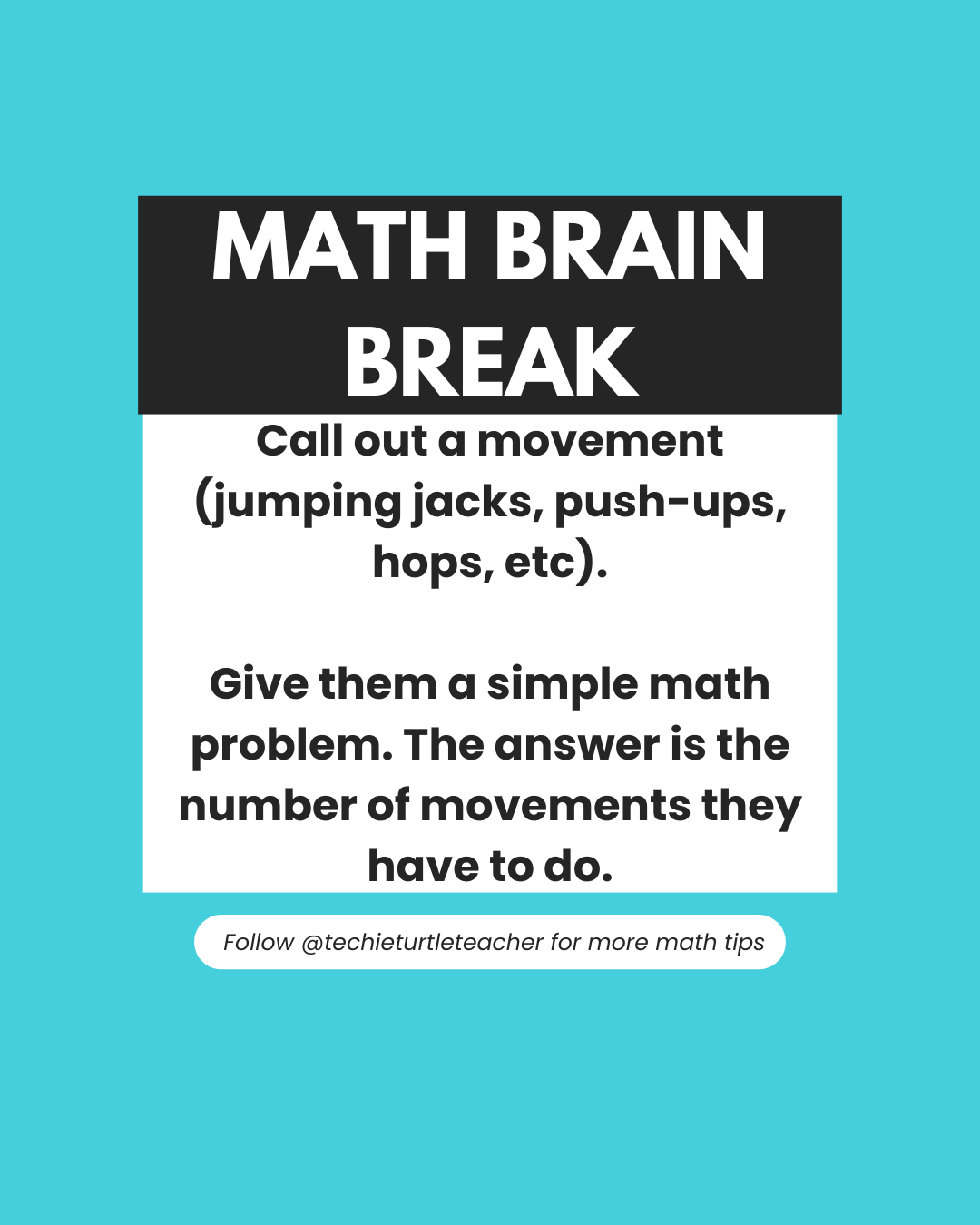
I gave them a quick math problem, and the answer became the number of movements they had to do:
“What’s 4 + 3?”
“7 jumping jacks.”
“What’s 10 – 2?”
“8 push-ups.”
After one or two rounds, we’d all reset, and students were calm and ready to finish their independent math activity.
This quick exercise gave students the opportunity to release some of their energy, and the math problem ensured they were still engaged with their learning.
Why Independent Math Activities Work So Well
Independent math time doesn’t have to mean constant redirection or chaos.
When students have a sense of control over their learning, they’re more likely to stay on task.
That’s why I always prioritized independent math activities that built structure and freedom at the same time.
With the right structure and a few go-to activities, you can help your students build focus – and you can finally get the time you need for small groups, progress monitoring, or even just a deep breath.
By using activities like math choice boards, partner math fact games, and word problem task cards, you’ll create a classroom full of independent learners who know what to do and how to stay on task – even when their attention starts to wander.
Pin this to Pinterest for later