Table of Contents
There’s nothing quite like teaching multiple math levels in a single math block.
Some students need help with counting on.
Others are already ready for two-digit addition with regrouping.
And in between those extremes, there’s everyone else.
Trying to meet every student’s needs every single day isn’t just exhausting – it’s impossible.
But there are ways to make teaching multiple math levels feel less overwhelming.
These are the strategies that actually worked in a real classroom and helped keep math time running smoothly.
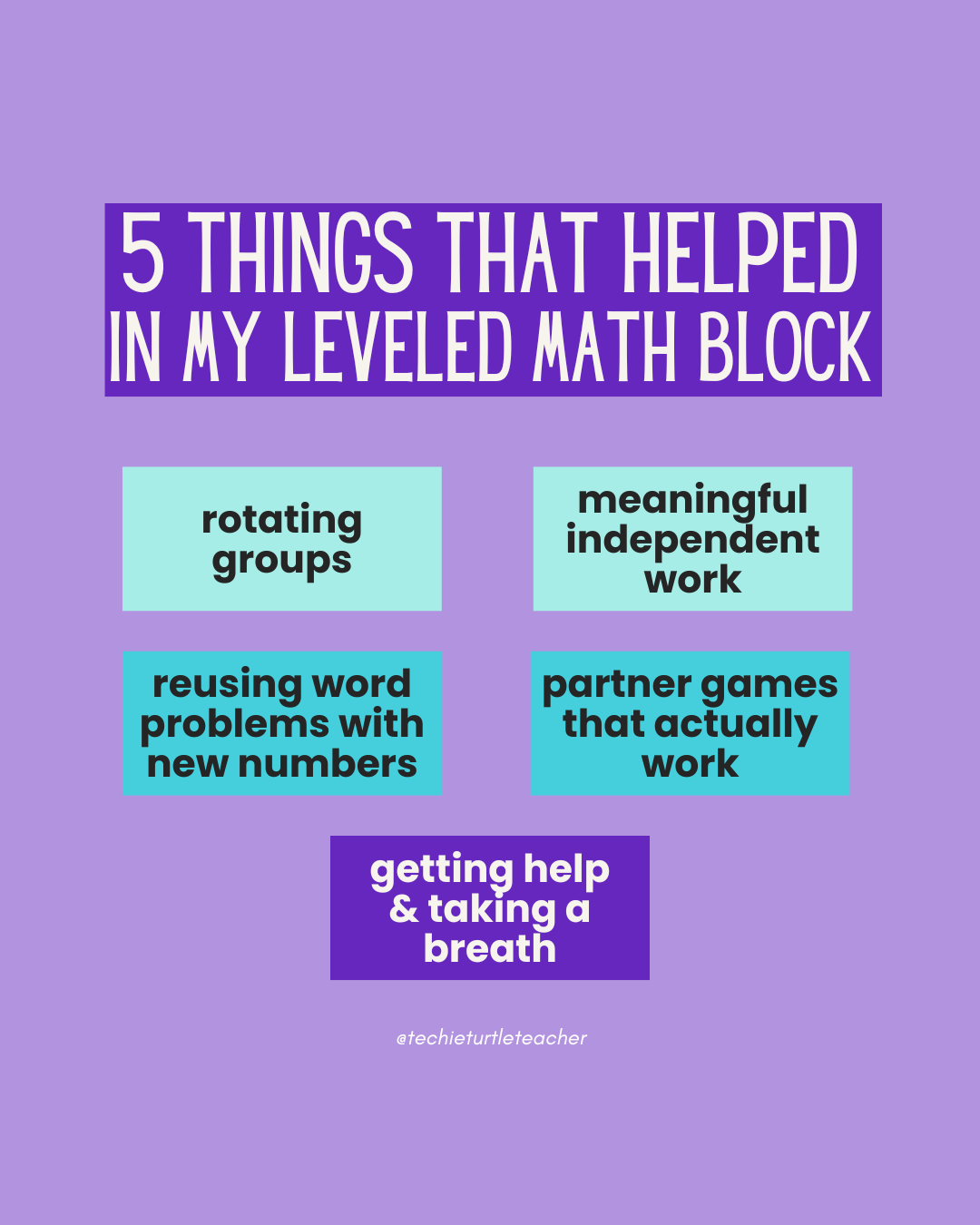
Rotating Small Groups Instead of Meeting Daily
It sounds great in theory to meet with every group every day.
But realistically, there’s just not enough time.
One helpful shift when you’re teaching multiple math levels is moving to a rotation schedule – meeting with one or two groups per day instead of all of them.
This not only gives students more time to work independently or with a partner, but it also gives the teacher more time to go deeper with each group.
Example Rotation:
- Monday: on-level group + group that needs review
- Tuesday: advanced learners + another group needing support
- Wednesday: flexible time for conferencing, catching up, or letting games and fluency centers take the lead
The key is consistency.
When students know the routine, they don’t need reminders.
And it gives the teacher space to breathe without sacrificing instruction.
Read more about rotation schedules.

Giving Advanced Learners Meaningful Independent Work
When you’re teaching multiple math levels, it’s easy to focus all your energy on students who need extra support.
But advanced learners also need attention – and not just more busywork.
Giving them independent work that’s actually on their level does more than keep them occupied – it helps them grow.
Try:
- Enrichment task cards
- Strategy-based puzzles
- Choice boards with leveled activities
This keeps your most capable students engaged while you work closely with others who need more scaffolding.

Reusing Word Problems with Small Changes
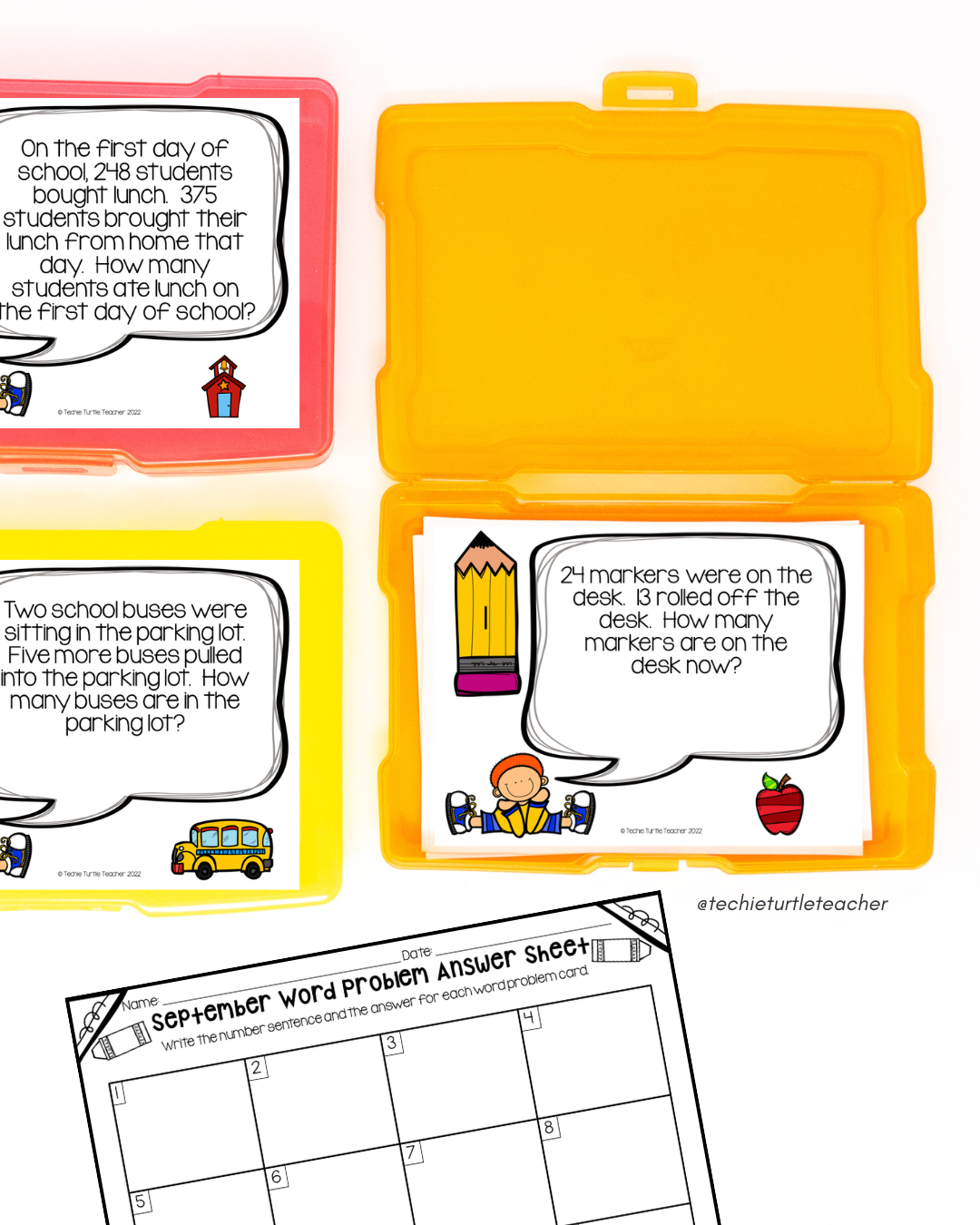
Planning for multiple levels doesn’t mean creating five different assignments.
One simple, effective approach to teaching multiple math levels is using the same word problems for every group – just adjust the numbers.
This keeps the context familiar, so students can focus on strategy instead of decoding a brand-new situation.
Examples:
- Lower group: “5 + 3 = ?”
- On-level group: “15 + 7 = ?”
- Advanced group: “157 + 38 = ?”
It’s a small tweak that makes a big impact on your prep time and supports students right where they are.
Partner Games That Reinforce Key Skills
Games aren’t just for early finishers.
When you’re teaching multiple math levels, partner games can be a reliable part of your math block.
Well-taught games help students:
- Practice facts in a low-pressure way
- Work together and take turns
- Build fluency while the teacher meets with a group
A few go-to games each week can make independent time feel productive and even fun – for everyone.

Getting Help and Taking a Breath
No one can do it all.
And when you’re teaching multiple math levels, asking for help can make all the difference.
Paraeducators, assistants, or volunteers can:
- Run a small game group
- Listen to students explain their thinking
- Keep one group focused while you meet with another
And on days when even that feels like too much?
It’s okay to pause.
One minute of breathing can help reset the tone of the entire block – for you and your students.

One Last Thought on Teaching Multiple Math Levels
There’s no perfect formula for teaching multiple math levels.
But a few small shifts – rotating groups, using tiered resources, and leaning into routines – can make your math block more manageable.
The goal isn’t perfection.
It’s progress – and knowing that the systems you’ve set up are doing the heavy lifting, even when you can’t be everywhere at once.
Pin this to Pinterest for later