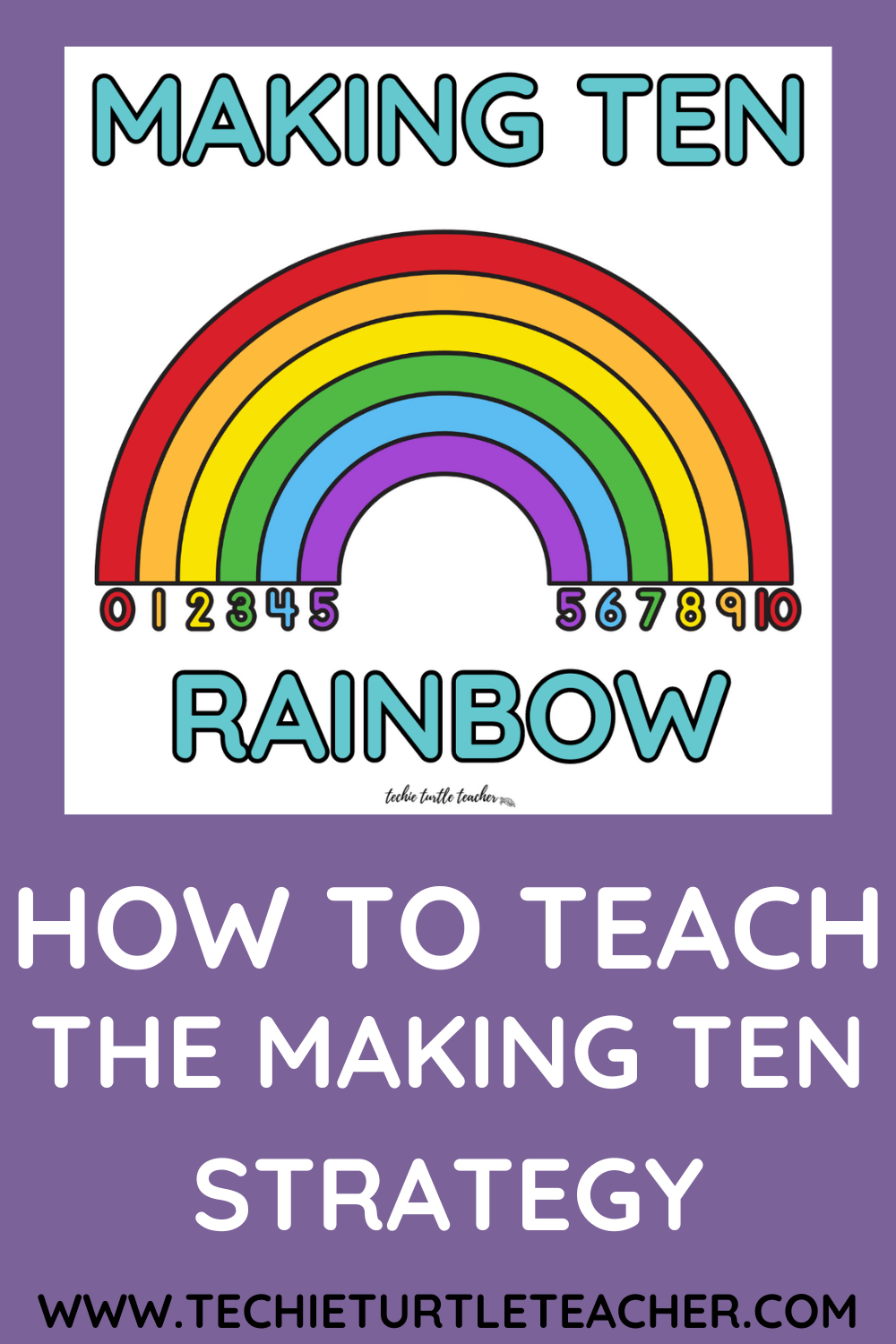
When it comes to building addition fluency, one math fact strategy stands out above the rest… making ten.
This strategy focuses on the number pairs that equal ten, such as 1 + 9, 2 + 8, or 4 + 6.
It’s simple, visual, and incredibly effective for helping young learners understand how numbers work together.
Once students internalize these pairs, they begin to see patterns in math, develop stronger number sense, and build confidence that carries into every other skill they learn.
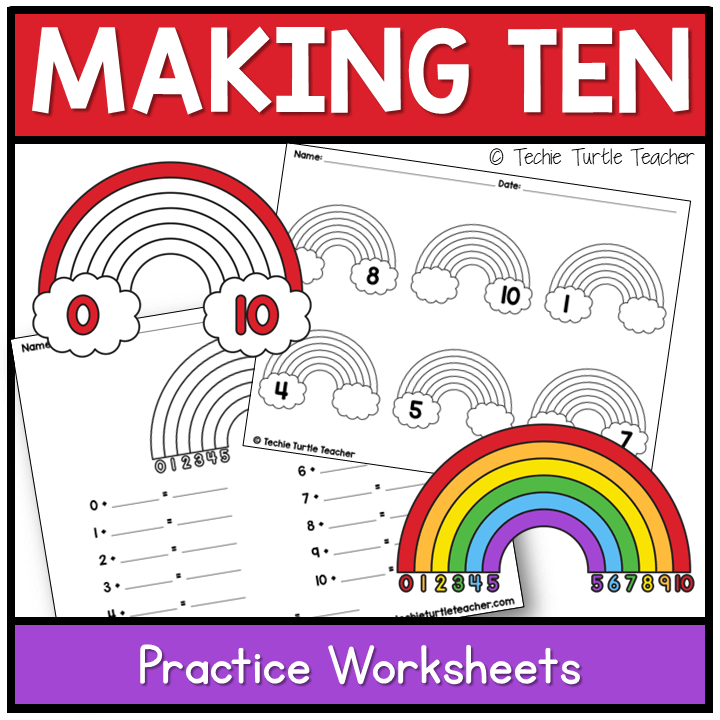
To make practicing this math fact strategy easy, I created a free set of Making Ten Practice Worksheets that give students repeated, meaningful exposure to these important combinations.
Table of Contents
Why the Making Ten Math Fact Strategy Matters
Teaching students to recognize which numbers make ten is one of the most powerful things you can do in early math instruction.
When students master this math fact strategy, they are doing more than memorizing… they’re learning to see relationships between numbers.
For example, they know that if 3 + 7 = 10, then 7 + 3 also equals 10.
That understanding becomes the building block for other concepts, including decomposing numbers, understanding place value, and regrouping in addition and subtraction.
This is why “making ten” is often one of the first math fact strategies taught in kindergarten and first grade… it gives students a mental framework that makes future math easier to grasp.

What’s Inside the Free Worksheets
These Making Ten Practice Worksheets are designed to help students build fluency with the pairs that add to ten.
Each page gives students a clear, focused way to practice the number pairs that make ten.
The format is simple… just enough to reinforce the concept without overwhelming them.
It’s a quick and meaningful way to help students remember which numbers go together to make ten.
They’re:
No-prep – just print and use.
Student-friendly – clear visuals and easy directions.
Flexible – great for whole-group lessons, centers, or independent work.
Even though the freebie includes only two pages, each one targets this math fact strategy in a short, purposeful way that helps students build confidence.
Easy Ways to Use the Worksheets
You can use the worksheets in several ways throughout your week:
Guided math groups: Model how to find the pairs that make ten.
Independent practice: Reinforce the concept after introducing the rainbow or number bond visuals.
Quick checks: Assess which students can automatically recall all the pairs.
Homework: Send a page home for short, stress-free review.
Each use reinforces the same skill: recognizing which numbers combine to make ten, one of the most essential math fact strategies for young learners.
Why Students Benefit
Once students master this math fact strategy, addition starts to make sense.
They notice that every number from 0 to 10 has a “partner” that completes ten.
That understanding builds confidence.
Instead of guessing or counting on fingers, students begin to recall facts automatically and understand how numbers relate.
This is the moment when math fluency truly starts to grow.
Looking for More Making Ten Practice?
If your students enjoy the free worksheets, you can keep the practice going with my making ten games and activities available in my store.
These build on the same math fact strategy, offering more ways for students to stay engaged while mastering the facts that make ten.
Grab Your Free Worksheets
You don’t need complicated lessons to help your students understand this math fact strategy.
A few minutes of focused practice can make a big difference in their fluency and confidence.
Download your free Making Ten Practice Worksheets and help your students master one of the most important math foundations today.
Pin this to Pinterest for later