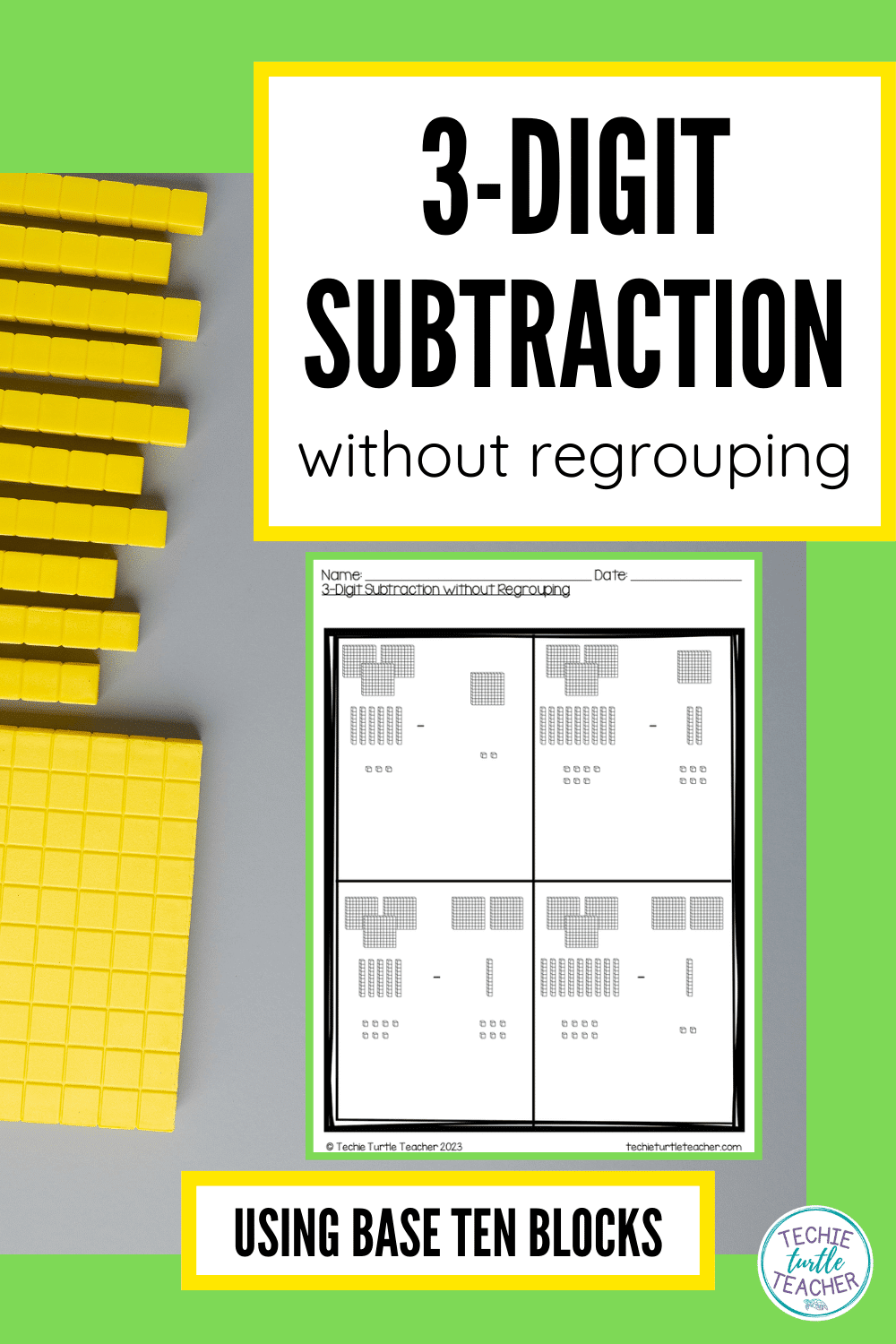
3-Digit Subtraction without Regrouping Using Base Ten Blocks
This post may contain affiliate links and I will be compensated if you make a purchase after clicking on my links. I only recommend products that I use and love.
Table of Contents
If you’re teaching 3-digit subtraction using base ten blocks, starting without regrouping is one of the best ways to build a solid foundation.
One strategy that consistently helps students see what’s happening is using base ten blocks.
Before getting started, you might also want to check out other strategies like 3-digit subtraction using the break apart method, especially if you’re looking to give your students multiple ways to make sense of big numbers.
Visualizing place value with hands-on tools makes a big difference – especially when students are first learning how to subtract 3-digit numbers.
If you’re not sure where to start, or just want a strategy that keeps students engaged, this post will walk you through how to teach 3-digit subtraction using base ten blocks, plus give you some ideas to make planning easier.
Why Use Base Ten Blocks for 3-Digit Subtraction?
Before jumping into regrouping, students need time to truly understand what subtraction looks like – especially with larger numbers.
That’s why 3-digit subtraction using base ten blocks is such a helpful starting point.
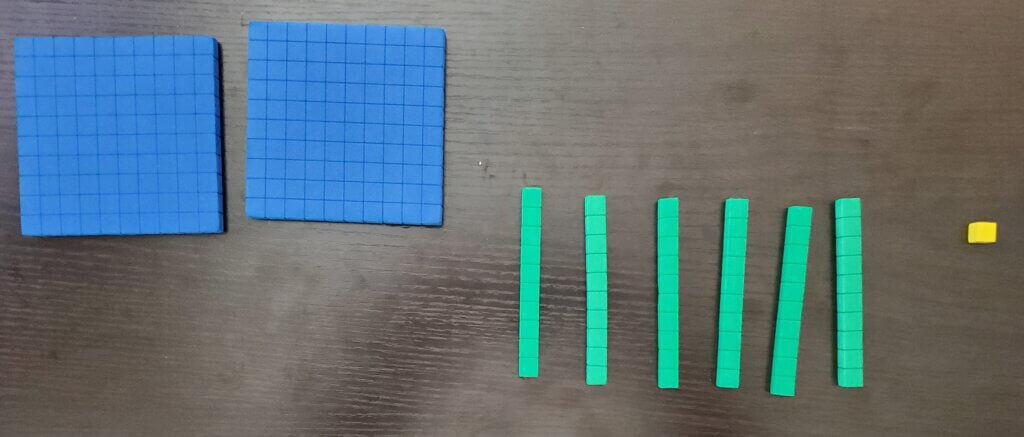
This strategy gives students a visual, hands-on way to model numbers.
It’s especially effective for meeting the 2.NBT.7 standard, where students work with both addition and subtraction of 3-digit numbers.
It’s easy to rush through this part of your unit, but giving students time here pays off.
Once they can confidently subtract without regrouping, the transition to regrouping will be smoother for everyone.
Students are very excited to come up to the board to share their own thinking.
If you’re working in small groups or want to set up a math center, printable task cards or math mats can help students practice this skill independently.
I’ve included a few of these in the resource I use with my own students.
Whether you’re using real manipulatives or drawn visuals, 3-digit subtraction using base ten blocks makes it easier for students to understand what’s being taken away.
After students have mastered the hands-on step, move to drawings of base ten blocks on paper.
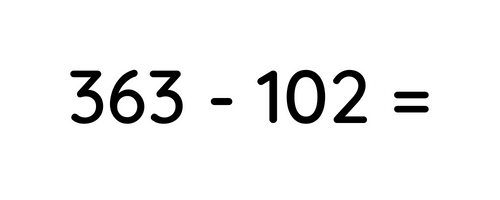
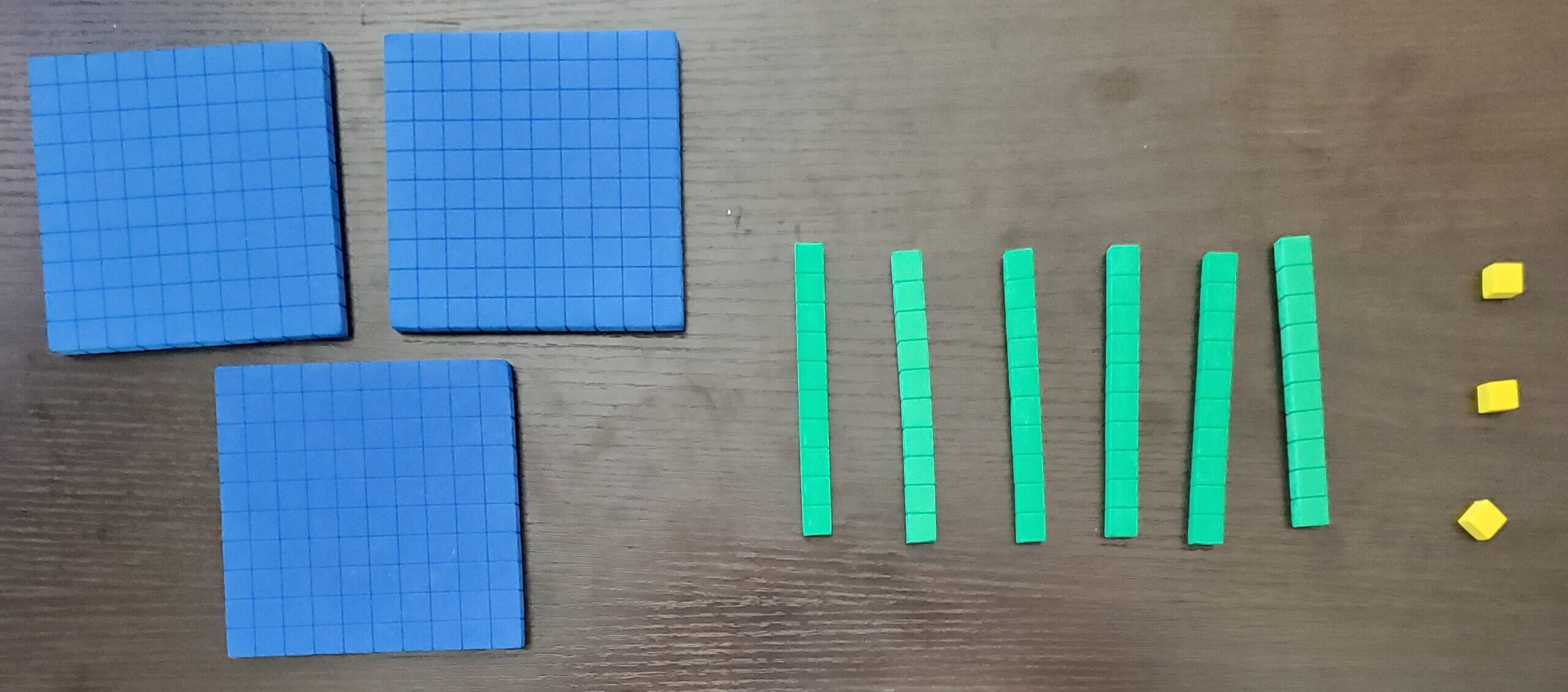
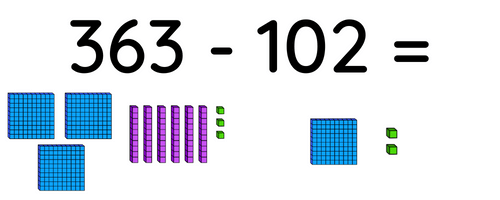
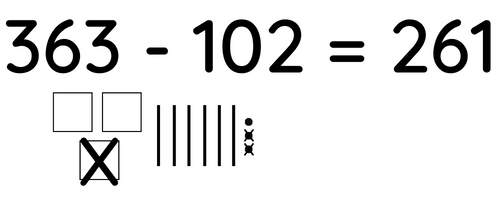
For the same problem, 363 – 102, students draw the blocks for 363:
3 squares for hundreds
6 sticks for tens
3 dots for ones
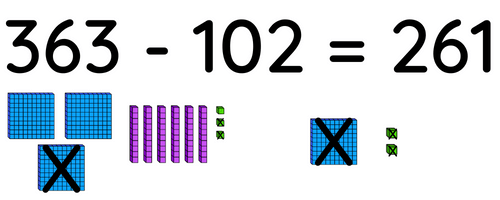
Then, they cross off:
1 square
0 sticks
2 dots
This visual step reinforces the idea of “taking away” without physically moving blocks.
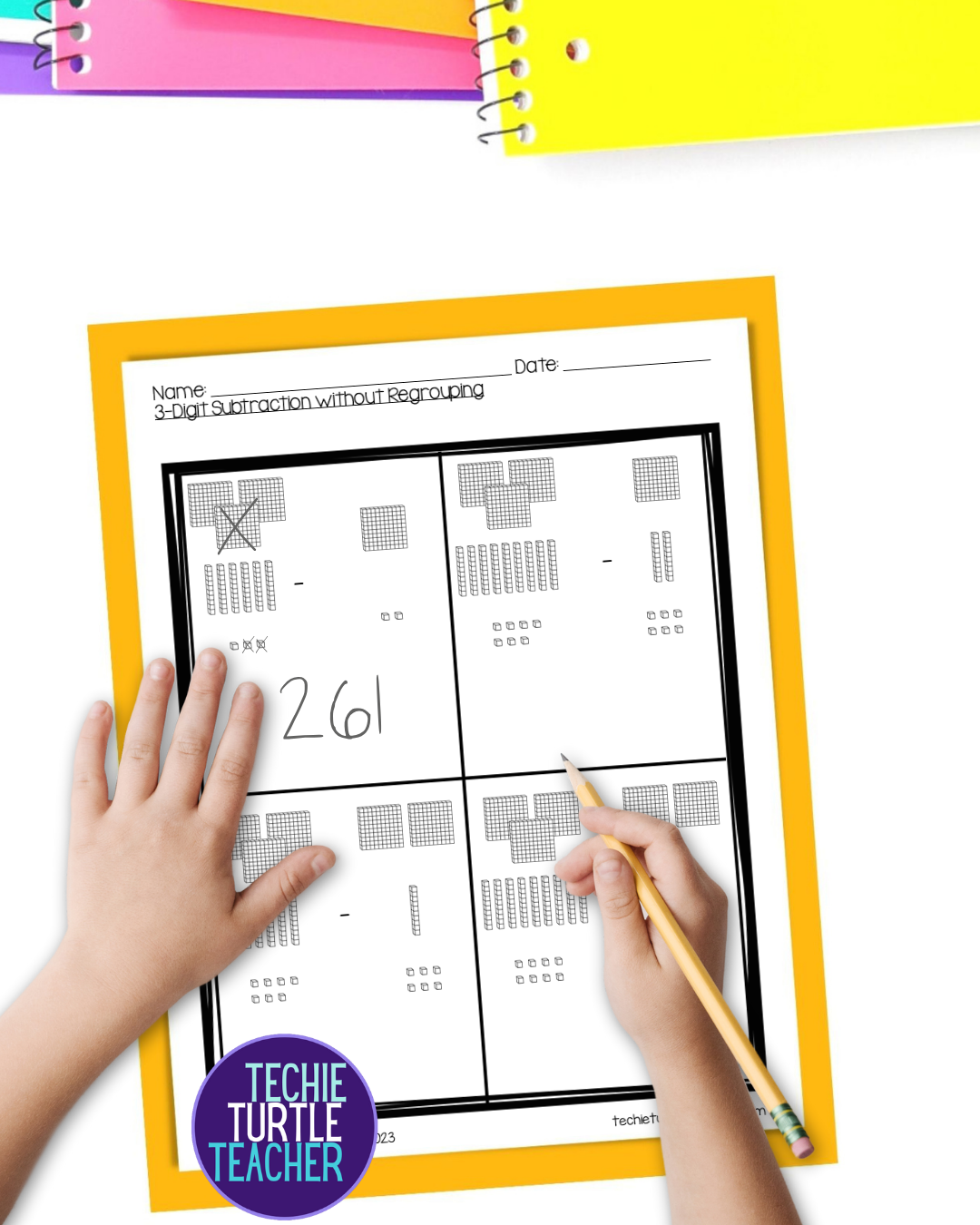
If your students see both numbers drawn on a worksheet, teach them to only cross off the blocks in the first number.
That helps avoid confusion.
Some students will want to cross off on both sides – and while that’s not my preferred method, it’s something they may see.
You can use this as an opportunity to discuss why it’s more efficient to model just the starting number.
Step 3: Introduce Squares, Sticks, and Dots
This version is great for quick practice and for exit tickets or independent work.
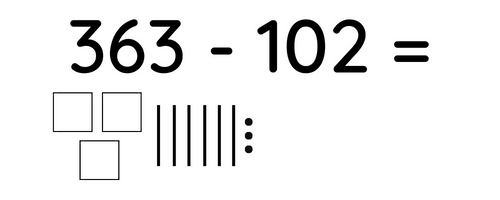
You simply give them the problem and have them draw:
Squares for hundreds
Sticks for tens
Dots for ones
They only draw the number being subtracted from – just like before – and then cross out the amount they’re taking away.
Students should draw an X on the hundreds, tens and ones to show those base ten blocks were taken away.
Then they count the squares, sticks and dots that are not crossed off to get their answer.
Here’s the key: make sure students space out their drawings.
If the blocks are too close together, it’s hard to count what hasn’t been crossed off.
I like using this version because it saves time and helps students show their work clearly – especially when they’re solving multiple problems in a row.
Want an easy way to review this with your class?
I’ve created print-and-go practice pages that walk through each of these steps.
Using base ten blocks for subtraction builds a foundation that carries over to more complex strategies, including regrouping and traditional algorithms.
But like anything in math, repetition matters.
If you’re looking for ready-to-use practice that focuses specifically on 3-digit subtraction using base ten blocks, I’ve created a resource that walks students through: