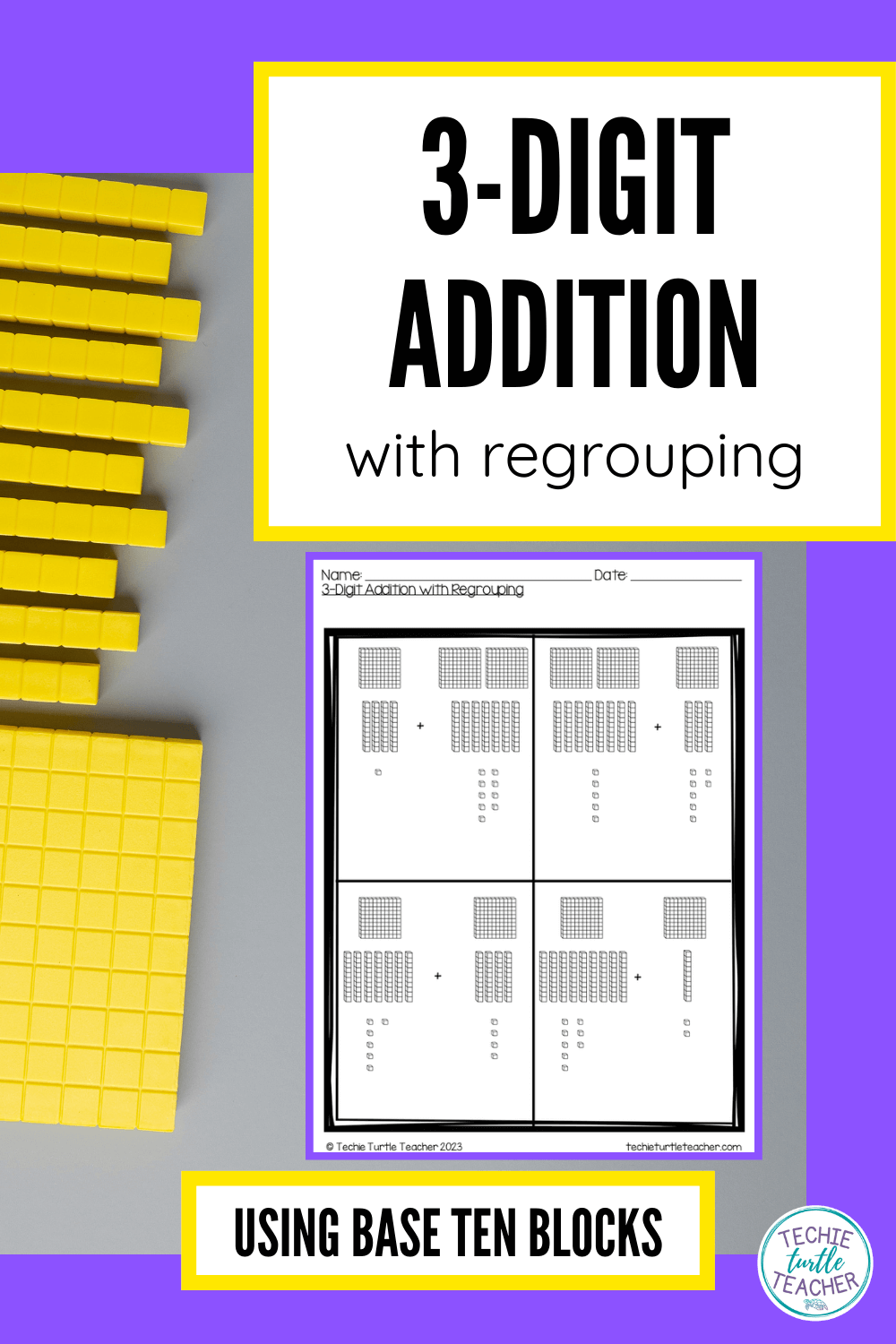
3-Digit Addition with Regrouping Using Base Ten Blocks
This post may contain affiliate links and I will be compensated if you make a purchase after clicking on my links. I only recommend products that I use and love.
Table of Contents
Adding 3-Digit Numbers with Regrouping
Using base ten blocks is a powerful way to help students see what’s actually happening when they carry a ten or a hundred during adding 3-digit numbers with regrouping.
It gives students a hands-on, visual experience that makes regrouping feel less confusing and more concrete.
In my classroom, I always started with this strategy when introducing regrouping.
It’s the next logical step after practicing addition without regrouping and gives students a solid foundation before moving into more abstract methods like open number lines or the traditional algorithm.
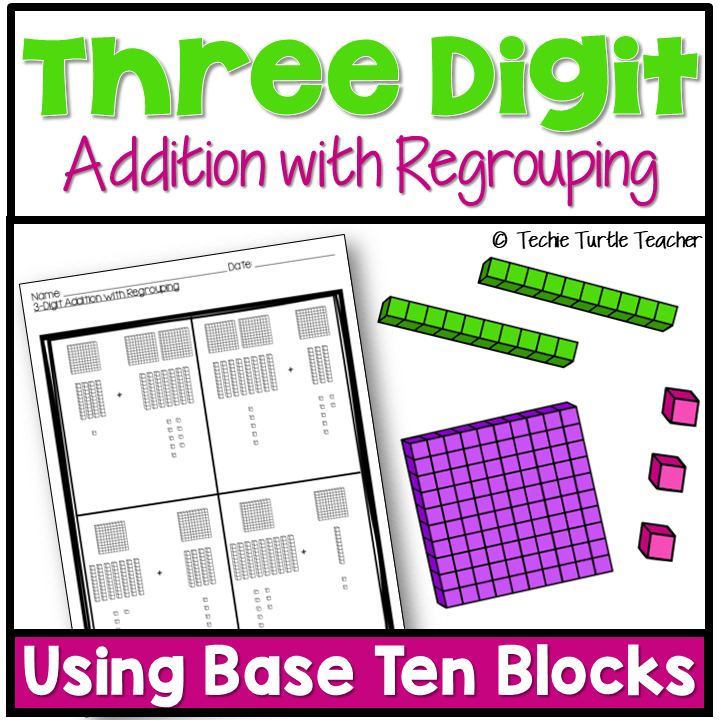
To help my students feel confident, I created a resource that guides them through adding 3-digit numbers with regrouping step-by-step – starting with physical blocks and moving into drawings and eventually squares, sticks, and dots.
It’s a great way to build understanding without having to prep something new every day.
Why Use This Strategy First?
When teaching adding 3 digit numbers with regrouping, I like to start with real, physical base ten blocks.
It helps students actually see the moment when ten ones become one ten, or ten tens become one hundred.
This visual is key for students who struggle with place value or who need extra time to grasp the concept of regrouping.
I use magnetic base ten blocks on the board for modeling whole-class problems and love giving students the chance to show their own thinking using hands-on materials.
That’s why my addition with regrouping resource includes practice pages that mirror what we do with manipulatives—making it easier for students to transition from concrete to paper-pencil work.
A Look Inside the Strategy
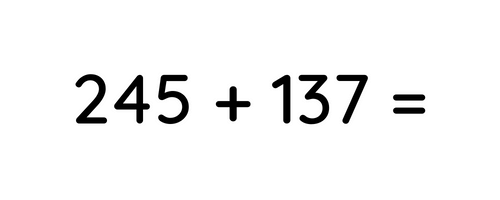
Let’s walk through the problem: 245 + 137.
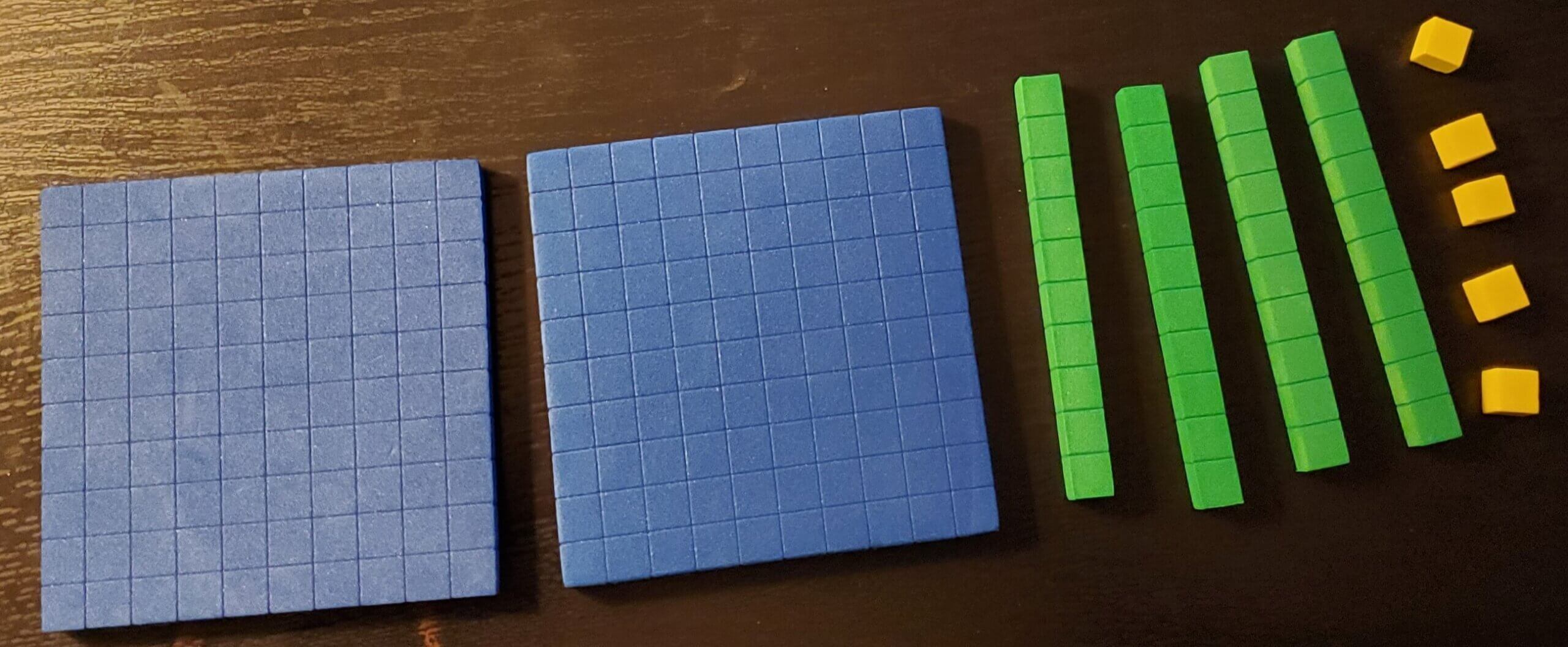
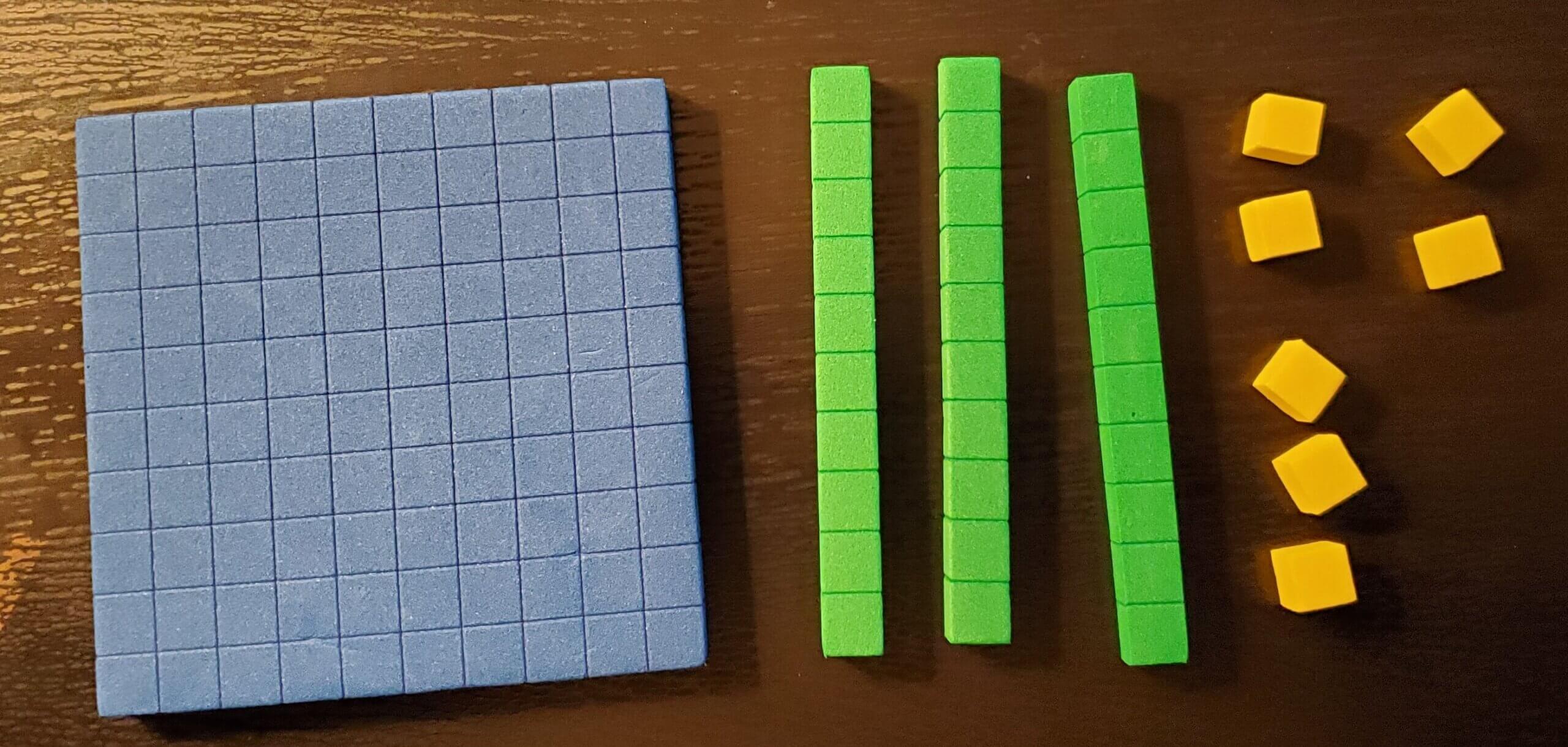
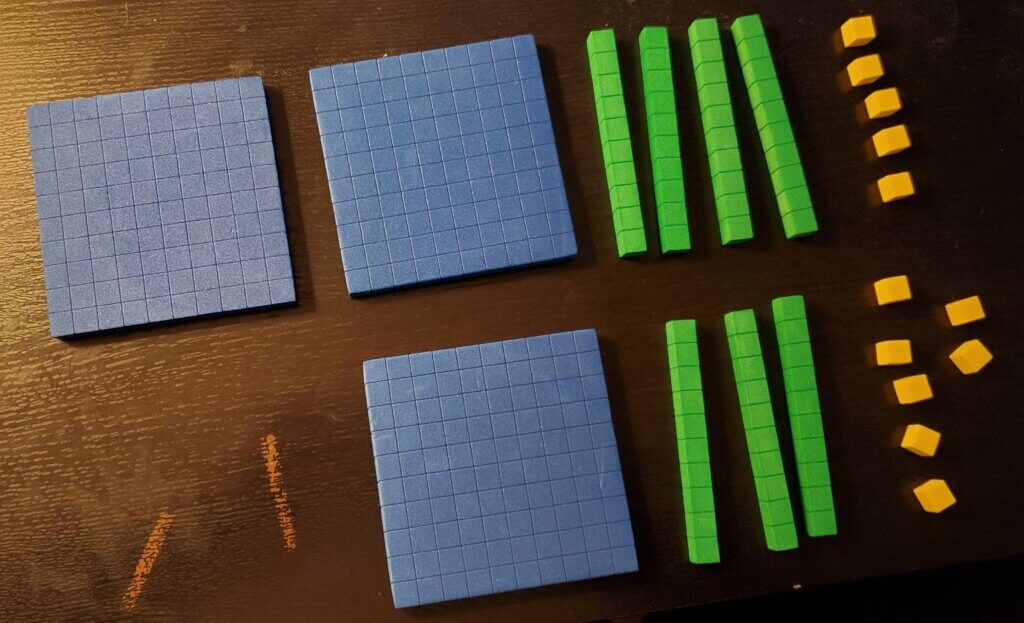
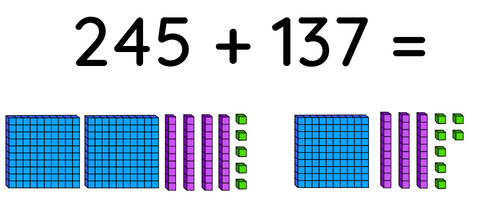
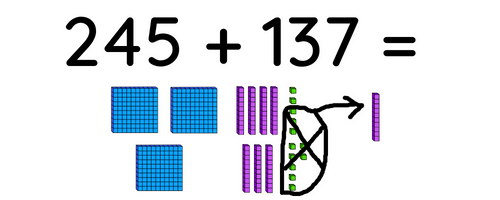
We start by building both numbers with base ten blocks: 2 hundreds, 4 tens, and 5 ones for 245, and 1 hundred, 3 tens, and 7 ones for 137.
245
137
245 + 137
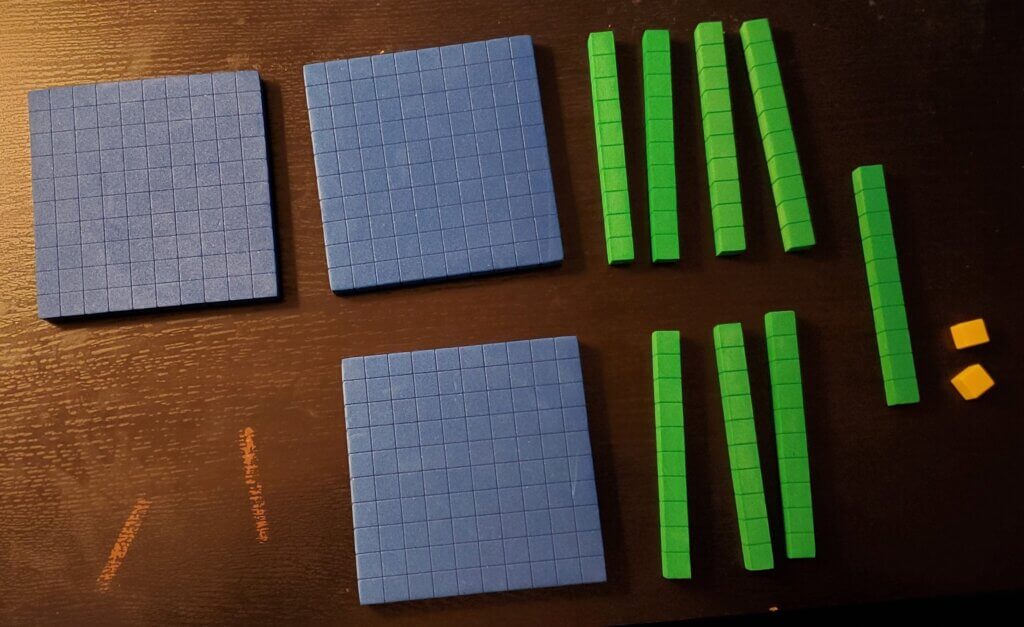
Then the students combine the ones.
Take 10 ones and replace it with a ten.
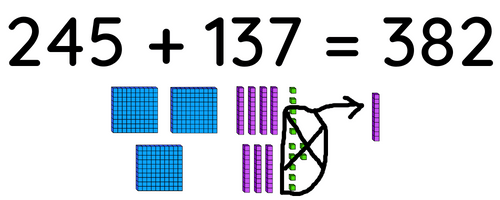
Then count the hundreds, tens, and ones.
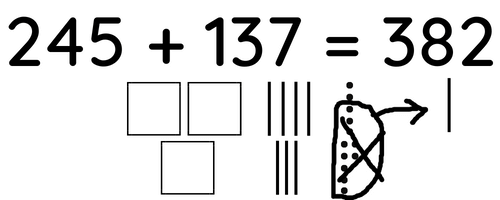
245 + 137 = 382
The total is 382.
In my resource, students get scaffolded pages that walk them through this exact process.
They record each step, circle and cross out regrouped blocks, and clearly show how they got their final answer.
Moving to Drawings
After your students are confident with the physical base ten blocks, the next step is to move to drawings of base ten blocks.
The structure stays the same, but now they’re showing their thinking with pencil and paper.
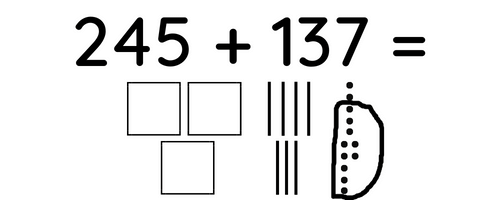
In the example above, students would draw out the blocks for 245 and 137.
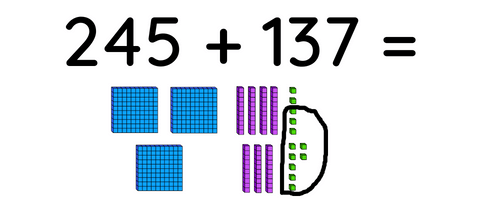
Then they draw a circle around 10 ones.
After you circle the group of ten ones, you want to show how you regrouped that into another ten. So you draw an X over the circled group of ten ones and replace it with a ten.
Then you are ready to count the hundreds, tens and ones.
Important Note: Make sure you DO NOT count the ones that are circled and you DO count the ten that you used to replace the ones.
You now have 2 hundreds from 245 and 1 hundred from 137.
You also have 4 tens from 245, 3 tens from 137, and the additional ten from regrouping the ones. That makes 8 tens.
You are left with 2 ones after you regroup ten of them.
The sum is 382.
Once the students master using base ten blocks to show the regrouping, you can take it a step further.
Squares, Sticks, and Dots
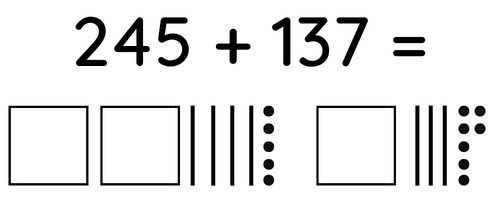
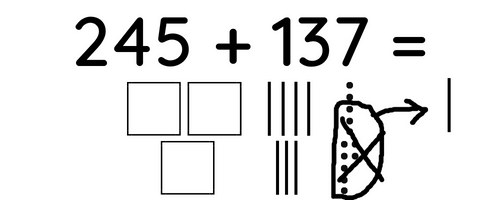
Once students master using base ten blocks and drawings to show regrouping, you can introduce squares, sticks, and dots as a simpler way to represent hundreds, tens, and ones.
Scaffolded pages for block drawings and squares/sticks/dots
Built-in reminders and visual cues to support accuracy
Whether you’re teaching whole group, small group, or giving students independent practice, these pages will help your students gain confidence with regrouping – and give you back some much-needed planning time.